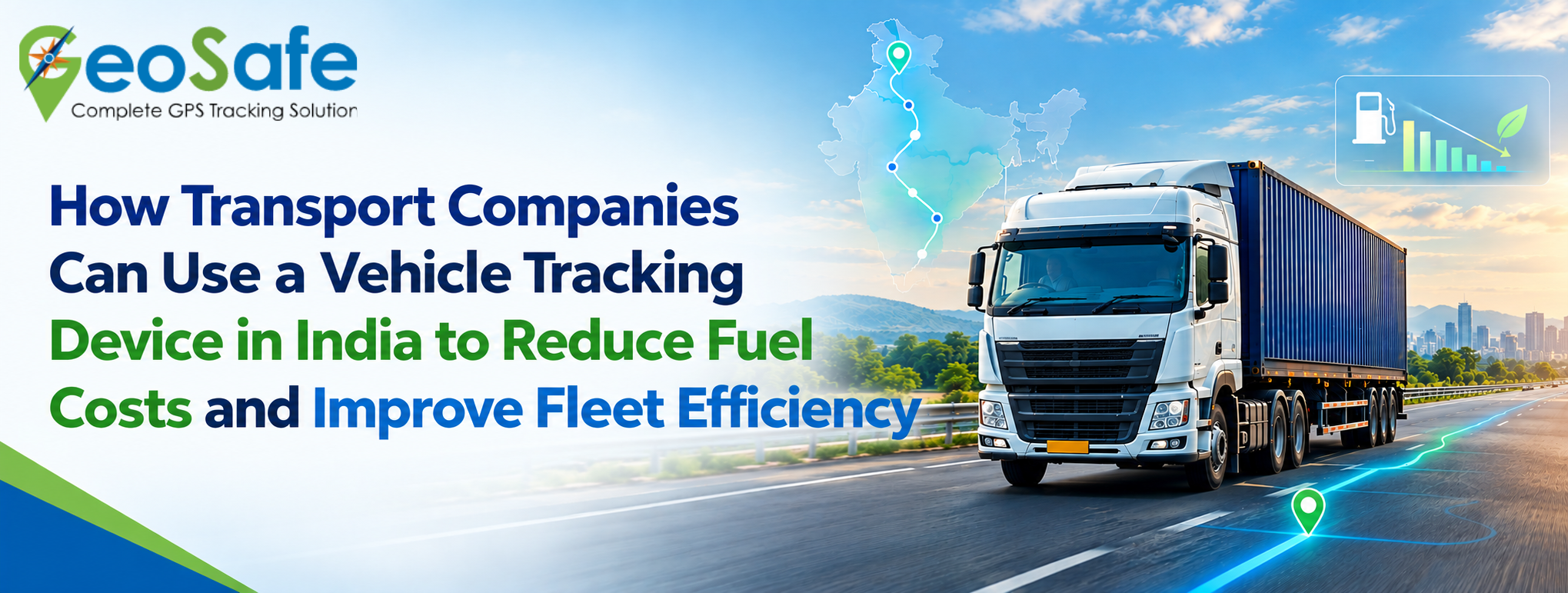
GeoSafe works with transport and logistics businesses to give them better visibility over their fleets. That means GPS tracking, route optimisation, fuel monitoring and IoT-based fleet management. If you run trucks, delivery vans, trailers or any other commercial vehicles, you already know how much daily costs depend on three things: where your vehicles are, how they're being driven, and how efficiently they run. With the right data, fleet managers can spot wasted fuel, cut avoidable delays and make smarter calls on vehicle usage.
A Vehicle tracking device in india gives transport companies real-time location updates, trip history and driving behaviour insights, along with data that helps manage fuel and routes. So instead of depending only on driver calls or manual trip sheets, you can see what's actually happening on the road. Operations become more organised, drivers become more accountable, and delivery planning and cost control get easier.
Why Fuel Costs Are a Major Concern for Transport Companies
For most commercial fleets, fuel is an expense that never stops. How much a vehicle burns depends on distance, vehicle condition, load weight, traffic, driving habits, the route taken and how long the engine sits idling.
When nobody keeps an eye on these factors, even a well-maintained fleet can waste a lot of fuel. A truck might take a longer route than it needs to. Another might stand still with the engine running, or make unplanned stops that push the delivery schedule back. One vehicle doing this once isn't a big deal, but across many vehicles and many trips it adds up fast.
How Vehicle Tracking Helps Reduce Fuel Consumption
Optimising Routes and Avoiding Unnecessary Distance
The route you pick has a direct effect on fuel use. Poor planning, repeated detours, backtracking and avoidable traffic all add extra kilometres and extra time.
With GPS tracking, fleet managers can look at what a vehicle actually did and compare it with the planned route. Route optimization tools then help dispatchers choose better options based on the destination, traffic, delivery schedule and which vehicles are available.
A Vehicle tracking device records trip movements and shows you where the vehicle is. Combine that with good route planning and you can cut unnecessary kilometres, schedule deliveries better and keep fuel spending under control.
Reducing Engine Idling
Idling means the engine is running while the vehicle isn't moving. Some of it can't be avoided during certain operations, but long idling while loading, unloading, waiting or during driver breaks burns fuel for nothing.
Tracking systems let managers see which stops run long, and how often and where they happen. If the equipment and integrations support it, ignition status and engine runtime give even more context.
Monitoring Driver Behaviour
How a person drives affects fuel consumption, vehicle wear and road safety. Harsh acceleration, sudden braking, overspeeding and aggressive cornering are all signs that there's room to improve.
Driver behaviour monitoring shows these patterns through alerts and performance reports. Managers can spot repeat issues, talk to the driver and arrange targeted training, rather than guessing.
It also helps to use this data in a constructive way. Clear driving policies, regular feedback and recognition for safe drivers usually work better in the long run than punishments alone.
Improving Fleet Efficiency Beyond Fuel Savings
Increasing Vehicle Utilisation
A vehicle that sits idle for long stretches, or completes fewer trips than expected, might be wasted capacity. Fleet tracking lets managers see vehicle availability, daily movement, trip frequency and how much time is spent at depots or customer locations.
Using this, dispatchers can assign vehicles better, balance workloads and cut down empty running where it's practical. It may also help companies combine compatible deliveries or find return loads when the opportunity is there.
Better utilisation doesn't mean every vehicle should be on the road all the time. Maintenance, rest periods, loading needs and legal operating limits all have to stay part of the plan.
Reducing Unauthorised Stops and Route Deviations
Unplanned stops aren't always a problem. They can be rest breaks, vehicle checks, emergencies or customer requests. But unexplained stops and repeated deviations can hurt delivery schedules and push up costs.
Geofencing lets fleet managers draw virtual boundaries around depots, warehouses, delivery points and restricted areas. Depending on how the system is set up, the team gets an alert when a vehicle enters or leaves one of those zones.
Trip playback and location history also help managers figure out why a trip took longer than expected. It's a good idea to have clear procedures so drivers can report approved changes, emergencies and other valid reasons for stopping.
Supporting Preventive Maintenance
A vehicle's condition affects its fuel efficiency, reliability and running cost. Low tyre pressure, skipped servicing, worn parts and unresolved mechanical issues can raise fuel use or cause sudden breakdowns.
Tracking reports on mileage, engine runtime and vehicle usage can support maintenance planning. If compatible vehicle data or extra sensors are available, monitoring can go into more detail.
Still, fleet managers should use tracking information along with the manufacturer's service schedule, tyre checks, maintenance records and issues reported by drivers. GPS tracking doesn't replace a proper mechanical inspection, but it does give you a more structured view of how vehicles are used and when they need attention.
What Features Should Transport Companies Look For?
The right tracking solution is the one that fits your fleet's needs. Here are the features worth considering:
- Real-time GPS tracking: See vehicle locations and movement on one central dashboard.
- Trip history and playback: Go back through earlier journeys, stops, route deviations and travel times.
- Route optimisation: Plan journeys more efficiently and coordinate dispatch better.
- Fuel monitoring: Check fuel levels and consumption trends when compatible sensors or integrations are installed.
- Driver behaviour reports: Spot overspeeding, harsh braking and other monitored driving events.
- Geofencing alerts: Get notified when vehicles enter or exit designated locations.
- Ignition and engine monitoring: Review engine activity and idle time where supported.
- Fleet analytics: Compare vehicle usage, trip performance and operational trends through reports.
- Scalability and integration: Make sure the system can grow with your fleet and connect with other business platforms when needed.
Also look at installation requirements, connectivity, data access, support availability and total cost of ownership before you decide. Not every device comes with every feature, so confirm compatibility and functionality with the provider first.
How GeoSafe Supports Transportation and Logistics Operations
GeoSafe offers GPS tracking and transportation-focused IoT solutions that improve visibility across vehicles, drivers, shipments and dispatch operations. Its vehicle tracking capabilities cover real-time location monitoring, trip history, route optimisation, geofencing, driver behaviour monitoring and fuel monitoring.
For logistics businesses with more complex needs, the transportation solutions can also support cargo and asset monitoring through compatible IoT sensors. This includes temperature and security monitoring for suitable applications. Centralised dashboards and operational reports help teams review fleet activity and find possible bottlenecks.
Before you go ahead, look at your vehicle types, fleet size, reporting needs, fuel-monitoring requirements and existing logistics systems. It also helps to confirm which features need extra hardware or integration, so the solution you choose actually works for your operations.
Frequently Asked Questions
1. How can GPS tracking help transport companies save fuel?
GPS tracking helps managers spot inefficient routes, needless detours, long stops and driving patterns that can raise fuel consumption. Add route optimisation and fuel monitoring, and you get much better control over fuel use.
2. Can a vehicle tracking system monitor fuel consumption?
Yes, as long as the solution supports compatible fuel sensors, vehicle data or other suitable integrations. How accurate and detailed the data is will depend on the hardware, the vehicle and how the system is configured.
3. Is a vehicle tracking system suitable for small transport businesses?
Yes. Small operators can use GPS tracking to watch vehicle locations, review trips, coordinate deliveries and improve accountability. The right solution depends on fleet size, how complex the operation is, budget and the features needed.
4. Does vehicle tracking help improve delivery times?
It can. Live location updates, trip history, route planning and delay alerts help dispatchers react to disruptions and coordinate deliveries better. Actual results still depend on traffic, route conditions, scheduling and how the operation is run.
5. What should businesses consider before buying a tracking device?
Look at location accuracy, network connectivity, supported vehicle types, fuel-monitoring compatibility, reporting features, installation cost, data access, customer support and future scalability. Also confirm which features are included and which need additional hardware.
Conclusion
Cutting fuel costs and improving fleet efficiency isn't about one thing. It takes accurate tracking data, better route planning, responsible driving, preventive maintenance and regular performance reviews working together. GPS-enabled fleet management shows transport companies how their vehicles are really used, where the avoidable waste is, and what decisions to make based on evidence rather than assumptions.
A Vehicle tracking device in india can be a worthwhile investment for businesses that want more visibility and tighter control over transport expenses. That said, the best results come when the technology is backed by clear operating procedures, driver involvement and regular measurement of fuel and delivery performance.
Looking to reduce fuel wastage and improve fleet visibility? Contact GeoSafe to explore a vehicle tracking solution suited to your transport operations and fleet management requirements.